11 Jun 2026
Benefits of Advanced Laser Treatment for Piles
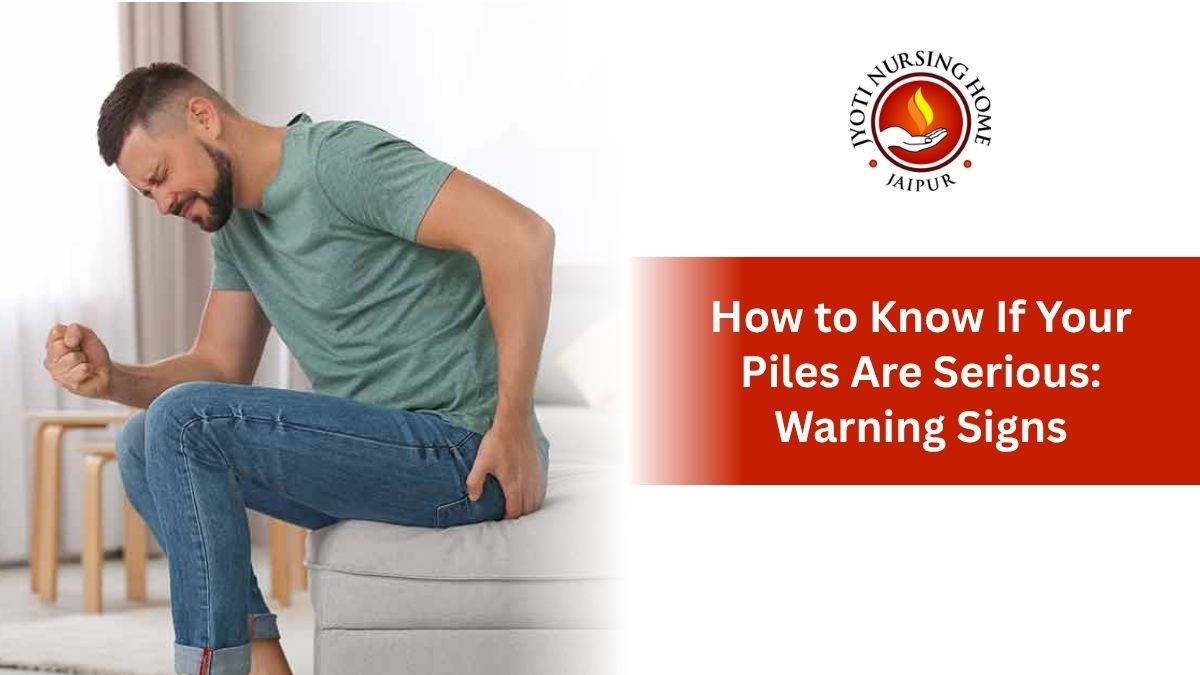
Piles (hemorrhoids) are a common condition that affects millions of people. In many cases, they cause mild discomfort and improve with dietary changes, lifestyle modifications, or medication. However, not every case of piles should be considered harmless.
Persistent bleeding, severe pain, a prolapsed hemorrhoid, or symptoms that interfere with daily life may indicate that your condition has progressed and requires medical evaluation. Ignoring these warning signs can delay treatment and increase the risk of complications.
In this article, we'll explain how to recognize when piles may be serious, what symptoms should never be ignored, and when it's time to consult a specialist.
Most early-stage piles are not dangerous and can often be managed without surgery. However, untreated or advanced piles can become more painful, bleed frequently, prolapse, or develop complications such as thrombosis or anemia.
It's important to understand that rectal bleeding is not always caused by piles. Conditions such as anal fissures, inflammatory bowel disease, colorectal polyps, or colorectal cancer can also present with similar symptoms. That's why a proper medical evaluation is essential if symptoms persist.
Occasional spotting after passing stool can occur with piles. However, you should seek medical advice if:
Frequent blood loss may lead to iron-deficiency anemia, especially if left untreated.
Mild discomfort is common with piles, but severe pain is not.
Persistent pain may indicate:
If sitting, walking, or passing stool becomes extremely painful, consult a doctor promptly.
Internal piles may protrude during bowel movements and return on their own in the early stages.
However, medical attention is recommended if:
These findings may indicate advanced (Grade III or Grade IV) piles.
Seek immediate medical care if you experience:
Heavy bleeding should never be assumed to be "just piles."
If you've tried increasing fiber intake, drinking more water, using prescribed medications, or making lifestyle changes for a week or two without improvement, it's time for a professional evaluation.
Persistent symptoms often require further examination and, in some cases, minimally invasive or surgical treatment.
While mild itching can occur with piles, ongoing irritation accompanied by mucus discharge may indicate:
Ignoring these symptoms can lead to skin breakdown and recurrent discomfort.
Large internal piles may obstruct the anal canal, making bowel movements difficult.
If you experience:
Consult a specialist to determine the underlying cause.
Piles themselves usually do not cause fever.
If you develop:
You may have an infection or another anorectal condition that requires urgent treatment.
A thrombosed external hemorrhoid can develop when a blood clot forms inside an external pile.
Symptoms include:
Early treatment can significantly reduce discomfort and speed recovery.
If rectal bleeding occurs alongside:
A thorough medical evaluation is necessary to rule out more serious gastrointestinal conditions.
Not every symptom is a cause for concern.
Early piles often present with:
Even so, a diagnosis by a healthcare professional is recommended if symptoms recur.
Certain factors increase the likelihood of progression:
Managing these risk factors may help reduce recurrence and complications.
Although uncommon, untreated piles can lead to:
Early treatment can often prevent these complications.
A specialist may recommend:
These tests help confirm the diagnosis and exclude other causes of rectal bleeding.
Treatment may include:
If symptoms persist or piles become advanced, treatment options may include:
The choice of treatment depends on the grade of piles, symptom severity, and overall health.
Do not delay medical care if you have:
Prompt diagnosis can help prevent complications and ensure appropriate care.
You can reduce your risk of progression by following these healthy habits:
Most piles are not dangerous, but persistent bleeding, severe pain, or prolapse should always be evaluated by a doctor.
No. Piles do not become cancer. However, some symptoms of colorectal cancer can resemble piles, which is why persistent rectal bleeding should never be ignored.
No. Rectal bleeding can also result from anal fissures, inflammatory bowel disease, polyps, diverticular disease, or colorectal cancer.
Some moderate cases improve with non-surgical treatments. Advanced piles may require minimally invasive procedures or surgery, depending on their severity.
No. Laser surgery is one of several treatment options and is recommended only when appropriate after a medical assessment.
Most cases of piles can be treated successfully when diagnosed early. However, warning signs such as frequent bleeding, severe pain, prolapsed hemorrhoids, persistent symptoms, or changes in bowel habits should never be ignored.
11 Jun 2026
Benefits of Advanced Laser Treatment for Piles
12 Jun 2026
Why Laparoscopic Surgery Is Preferred Today
12 Jun 2026
Early Signs and Treatment Options for Hernia

13 Aug 2026
Early Signs of Fistula You Should Never Ignore