11 Jun 2026
Benefits of Advanced Laser Treatment for Piles
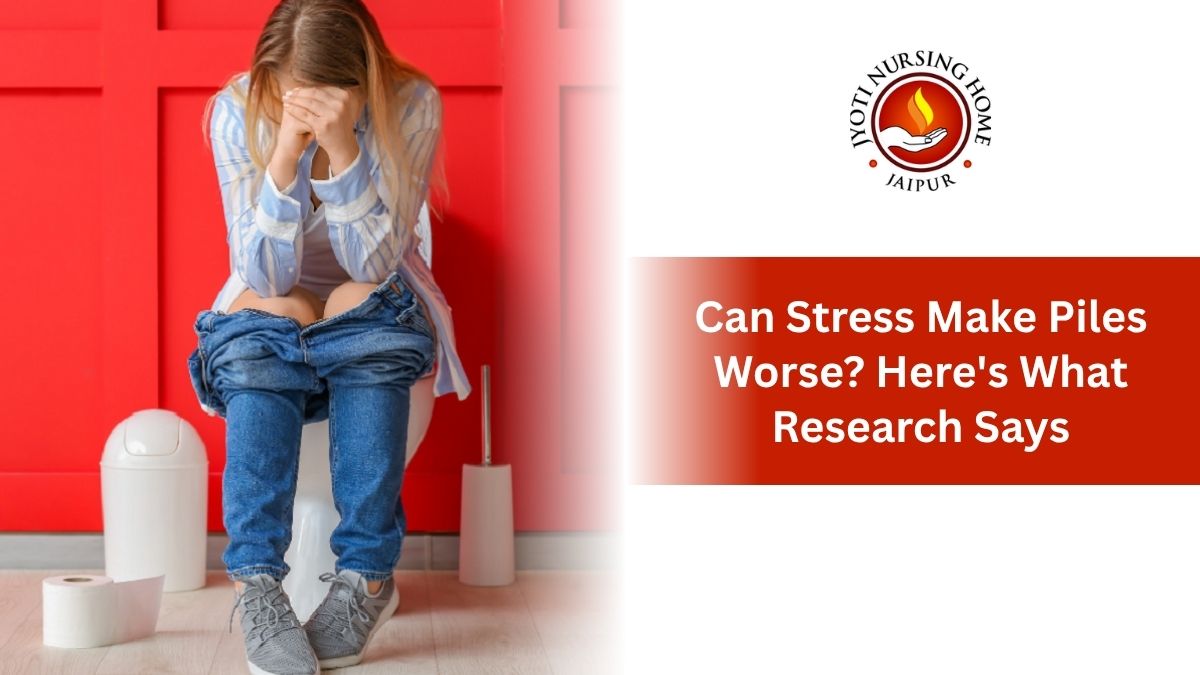
If you've noticed that your piles seem to flare up during stressful periods, you're not alone. Many people report increased pain, itching, constipation, or rectal bleeding when they are under emotional or physical stress. But does stress actually cause piles, or is it simply making existing symptoms worse?
The short answer is that stress does not directly cause piles. However, research suggests that stress can contribute to several lifestyle and digestive changes that increase pressure on the veins in the rectum and anus, potentially making hemorrhoid symptoms more noticeable or more severe.
In this article, we'll explore the relationship between stress and piles, explain what scientific research says, and discuss practical ways to reduce the risk of flare-ups.
Piles, also known as hemorrhoids, are swollen and enlarged veins in the lower rectum or around the anus. They can be internal (inside the rectum) or external (under the skin around the anus).
Common symptoms include:
Piles are commonly associated with constipation, prolonged straining, pregnancy, obesity, heavy lifting, and low-fiber diets.
Current medical evidence suggests that stress is not a direct cause of piles.
Unlike constipation or pregnancy, stress does not directly enlarge the hemorrhoidal veins. However, stress can affect your digestive system, bowel habits, eating patterns, and daily routine, all of which may increase the risk of developing piles or worsen existing symptoms.
In other words, stress is an indirect contributing factor rather than the primary cause.
Studies have shown that stress influences the brain-gut connection, affecting how the digestive system functions.
During periods of stress:
Each of these factors can contribute to irritation of existing hemorrhoids or increase pressure during bowel movements.
One of the strongest links between stress and piles is constipation.
When stressed, many people:
Constipation causes harder stools and increased straining, both of which increase pressure on the rectal veins.
The gut and brain communicate continuously through what's known as the gut-brain axis.
Stress may alter:
These changes may trigger irregular bowel habits that aggravate hemorrhoid symptoms.
Many people change their eating habits during stressful periods.
Common stress-related eating patterns include:
Poor dietary choices increase the likelihood of constipation and may worsen piles.
People experiencing work-related stress often spend long hours sitting at a desk.
Prolonged sitting increases pressure around the pelvic region and may worsen discomfort in people with existing hemorrhoids.
Taking short walking breaks throughout the day may help reduce pressure.
Chronic stress often disrupts sleep.
Lack of adequate sleep may:
While poor sleep doesn't directly cause piles, it may make symptoms feel more severe.
Research suggests that stress can make people more sensitive to pain.
As a result, mild hemorrhoid symptoms may feel more uncomfortable during stressful periods, even if the condition itself hasn't significantly worsened.
Anxiety itself does not cause bleeding from hemorrhoids.
However, anxiety may contribute to:
Constipation
Frequent bowel movements
Excessive straining
Diarrhea
These factors may irritate swollen hemorrhoids, making bleeding more likely.
If you notice persistent or heavy rectal bleeding, consult a healthcare professional instead of assuming stress is the cause.
Stress is only one piece of the puzzle.
More common risk factors include:
Managing these factors usually has a greater impact than stress reduction alone.
Your symptoms may worsen during stressful periods if you notice:
These symptoms often improve once bowel habits and lifestyle return to normal.
Aim to include:
Fiber helps soften stools and reduces straining.
Drink enough water throughout the day to help maintain regular bowel movements.
Ignoring the urge to pass stool allows stools to become harder, increasing the need to strain.
Walking, stretching, cycling, or light exercise helps stimulate bowel movements and reduces prolonged sitting.
Stress management may indirectly improve digestive health.
Helpful techniques include:
If your work involves sitting, stand up and move around every 30–60 minutes.
Seek medical advice if you experience:
Remember that rectal bleeding is not always caused by piles and should always be evaluated if it continues.
No. Current evidence suggests stress does not directly cause piles. However, it can contribute to constipation and unhealthy habits that increase the risk of flare-ups.
Yes. Anxiety and stress may increase pain sensitivity, making hemorrhoid symptoms feel worse.
For many people, yes. Stress can slow bowel movements and contribute to constipation, although others may experience diarrhea instead.
Stress management can improve digestive health and reduce flare-ups, but established hemorrhoids often require dietary changes, medications, or medical treatment depending on their severity.
Meditation does not treat hemorrhoids directly, but reducing stress may improve bowel habits and help prevent constipation-related flare-ups.
Although stress isn't considered a direct cause of piles, it can influence many of the factors that make hemorrhoids worse. Changes in digestion, constipation, unhealthy eating habits, poor sleep, and reduced physical activity during stressful periods can all contribute to symptom flare-ups.
If your symptoms continue despite lifestyle improvements—or if you experience significant bleeding, severe pain, or recurrent episodes—don't rely solely on home remedies. A timely medical evaluation can identify the underlying cause and help you receive the most appropriate treatment.
11 Jun 2026
Benefits of Advanced Laser Treatment for Piles
12 Jun 2026
Why Laparoscopic Surgery Is Preferred Today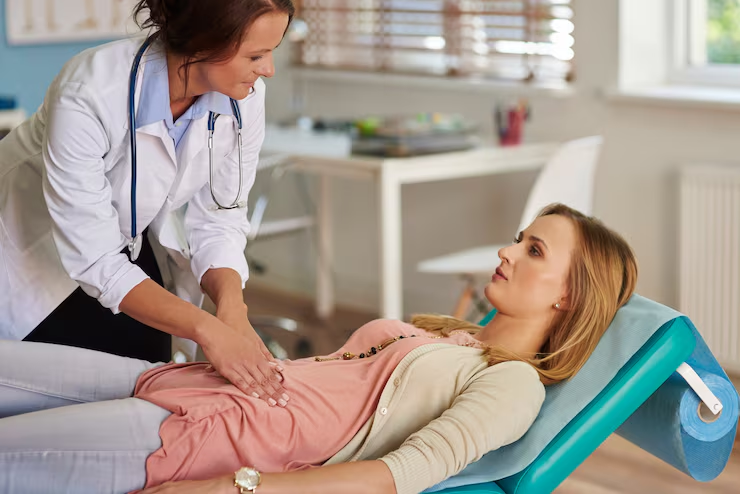
12 Jun 2026
Early Signs and Treatment Options for Hernia

13 Aug 2026
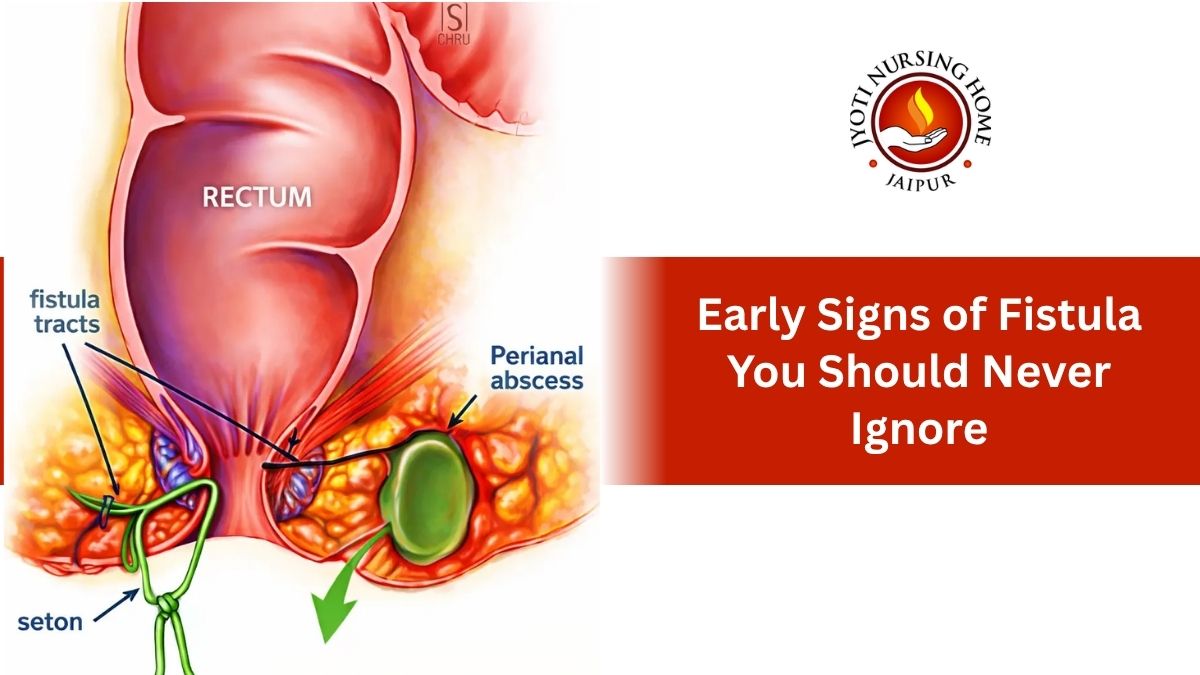
Early Signs of Fistula You Should Never Ignore