11 Jun 2026
Benefits of Advanced Laser Treatment for Piles
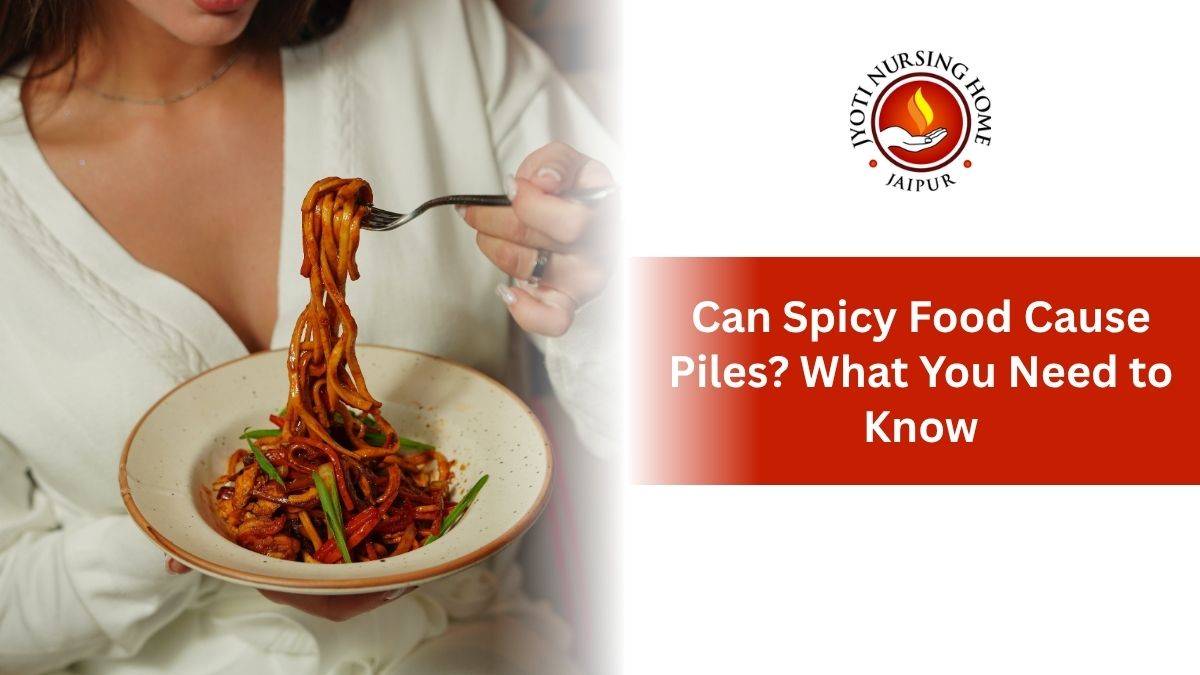
Many people believe that eating spicy food is one of the main causes of piles (hemorrhoids). It's common to hear advice like, "Stop eating spicy food, or you'll get piles." But is this actually true?
The answer is no—spicy food does not directly cause piles. However, if you already have hemorrhoids, certain spicy foods may temporarily increase discomfort during bowel movements in some people.
Understanding the difference between causing piles and triggering symptoms is important. In this article, we'll explore what research says, why this myth exists, and what foods are actually linked to hemorrhoid flare-ups.
Piles, also known as hemorrhoids, are swollen veins in the lower rectum or around the anus. They develop when increased pressure is placed on these veins, causing them to enlarge and become inflamed.
Piles are generally classified into two types:
Located under the skin around the anus
Can cause pain, itching, swelling, and discomfort
No. Current medical evidence does not support the idea that spicy food directly causes piles.
The most common causes of piles include:
Spices themselves do not cause the veins in the rectum to swell.
The misconception often comes from the fact that spicy foods can sometimes make existing hemorrhoid symptoms feel worse.
Some people experience:
A sensation of heat after passing stool
This can create the impression that spicy food caused the piles, when in reality it simply irritated an already sensitive area.
Research has not shown that spicy food is a direct cause of hemorrhoids.
However, studies suggest that certain spicy meals may increase discomfort in people who already have:
Not everyone experiences this effect. Many individuals with piles can eat moderately spicy food without worsening their symptoms.
For some people, yes—but mainly by increasing temporary symptoms rather than worsening the disease itself.
Possible effects include:
These symptoms usually improve once the irritation settles.
Instead of focusing only on spices, it's more important to understand which eating habits increase the risk of hemorrhoids.
A diet low in fiber can lead to constipation, harder stools, and excessive straining.
Dehydration makes stools harder and more difficult to pass.
Regular intake of processed foods may reduce fiber intake and contribute to constipation.
Alcohol can contribute to dehydration, which may worsen constipation.
A diet lacking fruits, vegetables, legumes, and whole grains may increase the risk of bowel problems associated with piles.
A balanced, high-fiber diet is one of the most effective ways to reduce hemorrhoid symptoms.
Include foods such as:
Not necessarily.
If spicy food does not trigger burning or discomfort, you may not need to eliminate it completely.
However, if you notice symptoms becoming worse after eating very spicy meals, consider:
Every person's digestive system responds differently.
Several daily habits have a much greater impact on hemorrhoids than spices.
Straining increases pressure on the hemorrhoidal veins.
Adults should aim for approximately 25–35 grams of fiber daily, depending on age and individual needs.
Drink enough water throughout the day to keep stools soft.
Walking and moderate physical activity support healthy bowel movements.
Avoid spending excessive time scrolling on your phone while using the toilet, as prolonged sitting increases pressure on the anal veins.
Delaying bowel movements may lead to harder stools and increased straining.
Dietary changes alone may not be enough if you experience:
A healthcare professional can determine whether your symptoms are due to piles or another condition requiring treatment.
No. Chili and spicy foods do not directly cause piles. However, they may increase burning or irritation in some people who already have hemorrhoids.
Spicy food itself does not cause hemorrhoids to bleed. Bleeding usually occurs because swollen hemorrhoids are irritated during bowel movements.
Only if you notice that spicy foods consistently trigger discomfort or burning. Otherwise, moderation is generally acceptable as part of a balanced diet.
Foods rich in fiber—such as fruits, vegetables, legumes, and whole grains—along with adequate water intake, help promote regular bowel movements and reduce the risk of constipation.
Diet plays an important role in symptom management and prevention, but moderate to severe piles may require medications, minimally invasive procedures, or surgery depending on their severity.
| Myth | Fact |
|---|---|
| Spicy food causes piles. | No. There is no evidence that spicy food directly causes hemorrhoids. |
| Everyone with piles must avoid spicy food. | Not necessarily. Tolerance varies from person to person. |
| Chili causes rectal bleeding. | Bleeding is usually related to existing hemorrhoids or other anorectal conditions. |
| Fiber is more important than avoiding spices. | Yes. A high-fiber diet plays a much bigger role in preventing constipation and reducing hemorrhoid symptoms. |
The belief that spicy food causes piles is one of the most common misconceptions about hemorrhoids. While spicy meals may temporarily irritate sensitive tissues in some individuals, they are not considered a direct cause of hemorrhoids.
If you have piles, focus on the factors that truly matter—maintaining a fiber-rich diet, staying hydrated, avoiding constipation, and seeking medical advice if symptoms persist. Making informed dietary choices and adopting healthy bowel habits can help reduce discomfort and support long-term digestive health.
11 Jun 2026
Benefits of Advanced Laser Treatment for Piles
12 Jun 2026
Why Laparoscopic Surgery Is Preferred Today
12 Jun 2026
Early Signs and Treatment Options for Hernia
13 Aug 2026
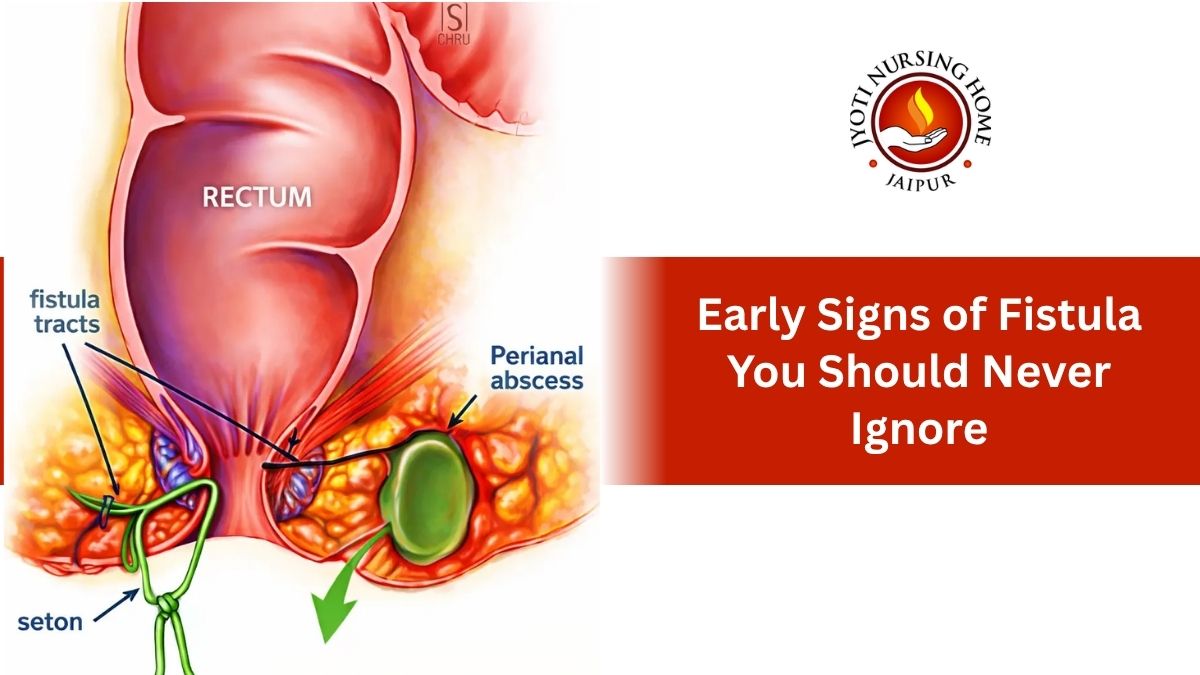
Early Signs of Fistula You Should Never Ignore