11 Jun 2026
Benefits of Advanced Laser Treatment for Piles
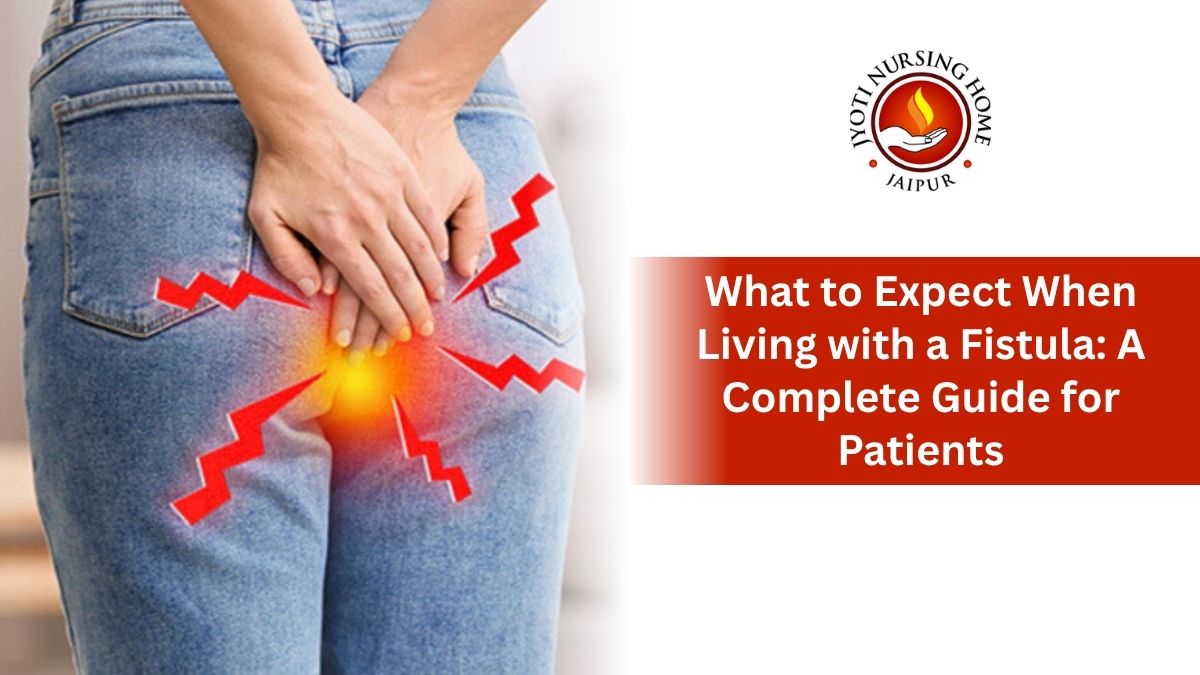
Living with a fistula can be uncomfortable, frustrating, and sometimes worrying—especially if you are unsure what symptoms are normal, how the condition may affect daily life, or whether it will go away on its own.
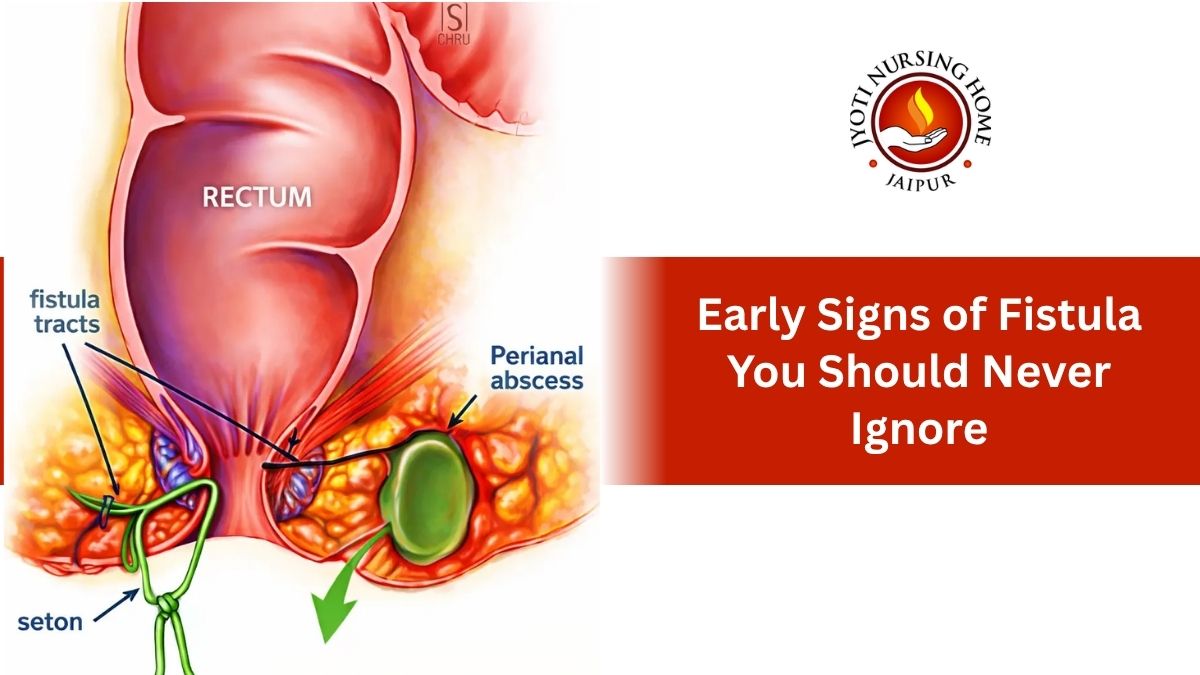
A fistula is an abnormal connection between two organs or tissues. In this guide, we focus mainly on anal fistula, a small tunnel that develops between the anal canal and the skin around the anus. It commonly develops after an anal abscess and may cause persistent drainage, irritation, swelling, pain, or recurrent infections.
The good news is that an anal fistula is treatable. Understanding what to expect can help you manage symptoms, recognize warning signs, and seek appropriate treatment at the right time.
Symptoms can vary depending on the location and complexity of the fistula. Some people experience mild symptoms, while others have repeated episodes of pain and infection.
Common symptoms include:
Some fistulas may drain regularly and therefore cause less pain. However, the absence of severe pain does not necessarily mean that the fistula has healed.
In most cases, an established anal fistula does not heal permanently on its own.
The external opening may temporarily close, making you feel better. However, if the internal fistula tract remains, fluid or infection can build up again. This may lead to another abscess, swelling, and pain.
That is why repeated cycles of:
swelling → pain → drainage → temporary relief
should not be ignored.
An evaluation by a colorectal or general surgeon experienced in fistula treatment can determine whether treatment is necessary.
The effect of a fistula on daily life depends on its severity.
A painful lump or active infection can make sitting uncomfortable. Some patients find prolonged sitting particularly difficult during flare-ups.
Passing stool may cause discomfort, particularly if there is inflammation around the anus. Keeping stools soft and avoiding constipation can help reduce straining.
Drainage can make the surrounding skin uncomfortable. Gentle cleaning after bowel movements and keeping the area dry can help reduce irritation.
Persistent discharge may stain underwear. Some patients use a small clean gauze pad or dressing to protect clothing and absorb drainage.
Mild fistulas may have little effect on normal activities. During an abscess or painful flare-up, however, sitting, walking, exercise, and work may become difficult.
Continuous drainage usually means that the fistula tract is still present.
You may experience periods when the drainage decreases or stops. If the external opening closes while the internal tract remains, an abscess can develop again.
Therefore, improvement in drainage should not automatically be interpreted as complete healing.
There is generally no special diet that can directly cure an anal fistula.
However, a bowel-friendly diet can make bowel movements more comfortable.
Consider:
If increasing fiber causes bloating or discomfort, increase it gradually and discuss dietary changes with your healthcare professional.
Home care can help with comfort and hygiene, but it does not eliminate an established fistula tract.
Helpful measures may include:
Gently clean the anal area after bowel movements. Avoid aggressive scrubbing.
A warm sitz bath may provide temporary relief from discomfort and help keep the area clean.
Persistent moisture from drainage can irritate the surrounding skin. Gently pat the area dry after washing.
Adequate fluids, dietary fiber, and regular bowel habits can help reduce straining.
Do not attempt to squeeze, puncture, or drain a swelling yourself. This can worsen inflammation or infection.
If you visit a surgeon, the doctor will first ask about your symptoms, previous abscesses, drainage, pain, and medical history.
A physical examination may identify the external opening and assess the surrounding area.
Depending on the fistula's suspected location and complexity, additional tests such as MRI of the pelvis or other imaging may be recommended.
The purpose of evaluation is to determine:
Treatment depends on the type, location, complexity, and underlying cause of the fistula.
An established anal fistula often requires a procedure to achieve definitive treatment, but the specific procedure varies from patient to patient.
Possible approaches may include:
Your surgeon should explain the benefits, risks, expected healing time, and effect on continence before recommending a procedure.
This is one of the most common concerns patients have.
The risk to bowel control depends largely on how much of the anal sphincter is involved and which treatment is appropriate.
For this reason, treatment should not simply focus on closing the fistula. The surgeon also needs to protect the anal sphincter and minimize the risk of continence problems.
For complex fistulas, sphincter-preserving approaches may be considered when appropriate.
Recovery depends on the procedure performed and the complexity of the fistula.
You may experience:
Your surgeon may recommend keeping the area clean, taking prescribed medicines, maintaining soft stools, and attending follow-up appointments.
Healing can take time, and a small amount of drainage during the healing period does not necessarily mean treatment has failed.
Yes. Fistula recurrence is possible, even after appropriate treatment.
The risk depends on factors such as:
Follow-up is therefore important, particularly if symptoms return.
You should arrange a medical evaluation if you have persistent drainage, a recurrent lump, or repeated pain around the anus.
Seek prompt medical attention if you develop symptoms suggesting an abscess or significant infection, such as:
A painful swelling accompanied by fever can indicate an abscess that may require urgent treatment.
Many people can continue their normal activities, particularly when symptoms are mild. However, persistent drainage, recurrent infection, or pain can affect quality of life and should be evaluated.
Light activity may be possible if you are comfortable. During an acute painful flare-up or after a procedure, your doctor may recommend temporarily modifying physical activity.
Sitting does not usually cause a fistula, but prolonged sitting can increase discomfort when there is inflammation, swelling, or an abscess.
Constipation does not usually cause an anal fistula directly, but hard stools and straining can make bowel movements more painful and aggravate irritation around the anal area.
Drainage can occur when a fistula is actively communicating with the skin. However, persistent drainage should be assessed by a healthcare professional because it may indicate that the fistula remains active.
Do not assume that it has healed. If the external opening closes while the tract remains, an abscess can develop.
Antibiotics may be prescribed in certain situations, particularly when infection is present, but they generally do not eliminate the underlying fistula tract.
The amount of discomfort varies according to the procedure and the individual. Modern surgical and minimally invasive techniques, along with appropriate anesthesia and pain management, can make treatment more manageable.
Before your appointment, it can be useful to note:
These details can help your surgeon understand the history of your condition.
Living with a fistula does not mean you have to live indefinitely with pain, drainage, or repeated infections.
An anal fistula is a structural problem that often requires proper evaluation and, in many cases, definitive treatment. Home measures can improve comfort and hygiene, but they should not replace medical assessment.
If you have persistent drainage, recurrent swelling, repeated abscesses, or ongoing pain around the anus, consult a qualified surgeon for an accurate diagnosis and individualized treatment plan.
Medical Disclaimer: This article is intended for general patient education and does not replace a medical examination, diagnosis, or personalized treatment advice. If you have severe pain, fever, rapidly increasing swelling, or other concerning symptoms, seek prompt medical care.
11 Jun 2026
Benefits of Advanced Laser Treatment for Piles
12 Jun 2026
Why Laparoscopic Surgery Is Preferred Today
12 Jun 2026
Early Signs and Treatment Options for Hernia

13 Aug 2026
Early Signs of Fistula You Should Never Ignore