
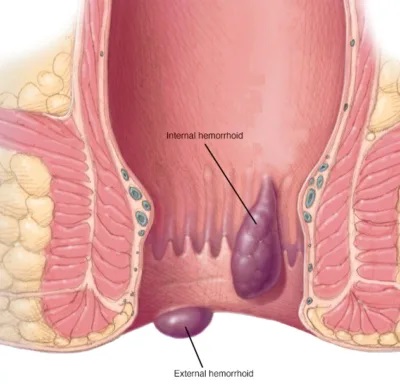
Piles, also known as hemorrhoids, are swollen blood vessels in and around the anus that can cause symptoms such as rectal bleeding, pain or discomfort during bowel movements, itching, swelling, and a feeling of incomplete bowel evacuation. The severity and type of piles can vary from person to person, so proper diagnosis is important before deciding on treatment.
If you are looking for piles treatment in Jaipur, Dr. Jaya Maheshwari (an experienced Laparoscopic, Hernia & Laser Proctology Surgeon) at Jyoti Nursing Home provides personalized evaluation and treatment for different types and stages of piles. Depending on the symptoms, grade, and overall health of the patient, treatment may include dietary and lifestyle changes, medicines, minimally invasive procedures, or surgery when clinically required.
Early medical evaluation can help identify the cause of rectal bleeding and determine the most appropriate treatment. Dr. Jaya Maheshwari evaluates each patient individually and recommends a treatment approach based on the severity and clinical findings.
Piles are swollen and enlarged veins located in the lower rectum or around the anal canal. These veins normally help maintain bowel control, but when excessive pressure is placed on them, they become inflamed and enlarged, resulting in hemorrhoids.
The condition may develop gradually over months or even years. In the early stages, symptoms can be mild and intermittent, but advanced piles may prolapse outside the anus, become painful, or bleed frequently.
Although piles are rarely life-threatening, persistent rectal bleeding should never be ignored because similar symptoms can also occur in other colorectal conditions. A proper examination by an experienced surgeon is essential for an accurate diagnosis.
Understanding the different types of hemorrhoids helps determine the most appropriate treatment approach.
Internal hemorrhoids develop inside the rectum and are usually painless because this area has fewer pain-sensitive nerves. The most common symptom is bright red bleeding during or after bowel movements. In advanced stages, the hemorrhoids may protrude outside the anus during straining.
Common symptoms include:
External hemorrhoids develop beneath the skin surrounding the anus. Since this area contains many nerve endings, external piles often cause significant discomfort.
Symptoms may include:
Sometimes blood collects inside an external hemorrhoid, forming a clot known as a thrombosed hemorrhoid.
This condition may cause:
Prompt medical evaluation can help determine whether conservative treatment or a minor procedure is the most suitable option.
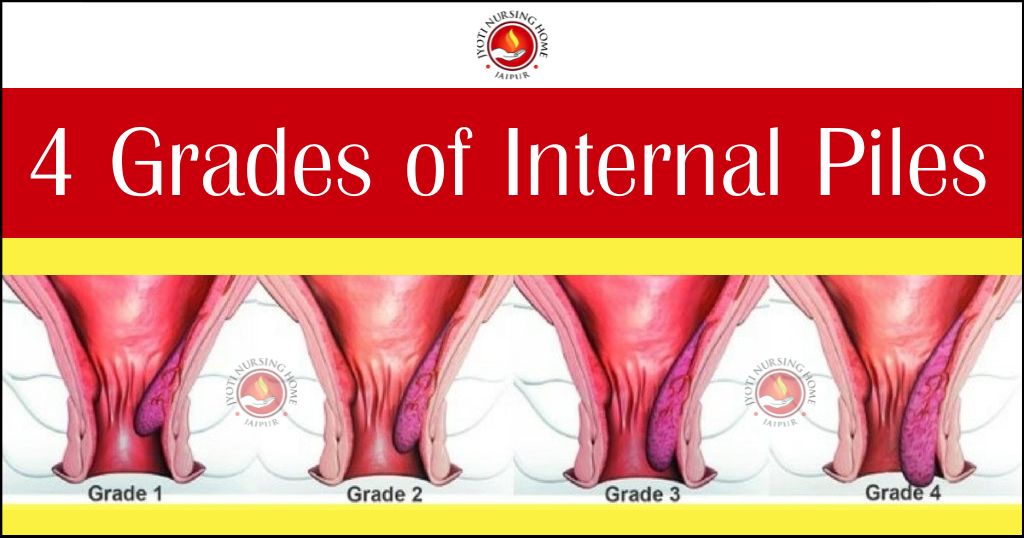
Doctors classify internal hemorrhoids into four grades.
Symptoms vary depending on the type and severity of hemorrhoids.
Many patients experience:
Occasional bleeding may seem harmless, but repeated bleeding should always be evaluated to rule out other gastrointestinal conditions.
Although anyone can develop hemorrhoids, certain individuals are at higher risk.
These include:
Understanding these risk factors allows patients to adopt preventive measures before symptoms become severe.
Many people attempt self-treatment using over-the-counter creams or home remedies. While these may temporarily relieve mild symptoms, persistent or worsening symptoms require medical evaluation.
You should consult a specialist if you experience:
Early diagnosis often allows for less invasive treatment and helps prevent complications.
Not every episode of rectal bleeding is caused by piles. Conditions such as anal fissures, inflammatory bowel disease, colorectal polyps, and colorectal cancer can produce similar symptoms.
A detailed clinical examination helps identify the underlying cause and ensures that patients receive appropriate treatment without unnecessary delay.
Furthermore, treating hemorrhoids in their earlier stages often leads to faster recovery, fewer complications, and better long-term outcomes.
A correct diagnosis is the foundation of effective treatment. While many people assume that rectal bleeding or pain automatically indicates piles, similar symptoms can also occur in conditions such as anal fissures, fistulas, inflammatory bowel disease, rectal polyps, or colorectal cancer. This is why self-diagnosis should be avoided.
At Jyoti Nursing Home, Dr. Jaya Maheshwari performs a thorough clinical evaluation to determine the exact cause of your symptoms before recommending treatment.
The assessment may include:
Your doctor will ask about:
Understanding your medical history helps identify contributing factors and rule out other conditions.
A careful examination of the anal region allows the doctor to identify:
In selected cases, a gentle digital rectal examination helps assess the lower rectum and identify abnormalities that may require further investigation.
A proctoscope is a small instrument used to examine the anal canal and lower rectum. It allows the surgeon to evaluate:
This procedure is generally quick and helps determine the most appropriate treatment plan.
Depending on your symptoms, age, and clinical findings, additional investigations may sometimes be recommended to exclude other gastrointestinal conditions.
These may include:
Not every patient requires these tests. Recommendations are made only when medically necessary.
One of the biggest misconceptions is that every patient with piles requires surgery.
In reality, treatment depends on:
The primary goal is to relieve symptoms, improve bowel habits, and reduce the risk of recurrence while choosing the least invasive effective option.
Patients with early-stage hemorrhoids often respond well to conservative management.
1. Dietary Changes
Increasing dietary fiber helps soften stools and reduces straining during bowel movements.
Foods rich in fiber include:
Adequate hydration also plays an important role in maintaining regular bowel movements.
2. Lifestyle Modifications
Simple lifestyle changes can significantly improve symptoms.
These include:
3. Medications
Depending on your symptoms, the doctor may prescribe medications to:
Medication should always be used under medical supervision, especially if symptoms persist or worsen.
When lifestyle changes and medications are insufficient, certain minimally invasive procedures may be recommended for suitable patients.
These may include:
The choice of procedure depends on the grade of hemorrhoids, symptom severity, and clinical examination findings.
While many cases of hemorrhoids are not emergencies, certain symptoms require prompt medical evaluation.
Consult a doctor immediately if you experience:
Early assessment helps identify the underlying cause and ensures timely treatment.
For patients who require a procedure, treatment options depend on the grade and clinical findings. Minimally invasive procedures and surgical approaches may be considered when conservative treatment is insufficient. Advanced laser piles treatment is also available for appropriately selected patients.
Learn more about Laser Piles Treatment in Jaipur →
| Condition | When Surgery May Be Needed |
|---|---|
| Persistent Bleeding | Bleeding continues despite treatment. |
| Prolapsed Piles | Piles remain outside or need manual reduction. |
| Grade III/IV Piles | Advanced piles may require procedural or surgical treatment. |
| Recurrent Symptoms | Symptoms keep returning despite treatment. |
| Failed Conservative Treatment | Medicines, diet and lifestyle changes don't provide relief. |
| Thrombosed Hemorrhoids | Severe or clinically significant thrombosed piles may need a procedure. |
Step 1 — Consultation
Symptoms and medical history are reviewed.
Step 2 — Examination
The doctor evaluates the anal region and determines the type/grade of hemorrhoids.
Step 3 — Treatment Planning
Treatment is selected according to severity and individual health.
Step 4 — Treatment
May include lifestyle changes, medicines, minimally invasive procedures or surgery.
Step 5 — Follow-up
Post-treatment advice and follow-up help support recovery and reduce recurrence.
| Piles Grade | Typical Features | Possible Treatment Approach |
|---|---|---|
| Grade 1 | Bleeding, no prolapse | Diet, lifestyle, medicines |
| Grade 2 | Prolapse during bowel movement, returns naturally | Conservative care or minimally invasive treatment |
| Grade 3 | Prolapse requires manual reduction | Procedure/surgery depending on evaluation |
| Grade 4 | Permanently prolapsed | Surgical evaluation often required |
Although every patient's experience is unique, the general process usually includes:
Patients are encouraged to ask questions and understand the benefits, risks, and expected recovery before proceeding with any procedure.
Recovery depends on several factors, including:
Patients undergoing minimally invasive procedures often return to routine activities sooner than those requiring more extensive surgery.
Following postoperative instructions carefully helps promote healing and reduce the risk of complications.
Good postoperative care contributes significantly to recovery.
Patients are generally advised to:
Any unusual symptoms such as persistent bleeding, fever, severe pain, or increasing swelling should be reported to the treating doctor promptly.
Diet plays an important role in healing and preventing recurrence.
A balanced, fiber-rich diet may help maintain soft stools and reduce strain during bowel movements.
Recommended foods include:
Some foods may contribute to constipation or digestive discomfort in certain individuals.
These may include:
Dietary advice should always be tailored to individual needs and any other medical conditions. To learn how spicy foods may affect hemorrhoids and what dietary precautions to take, explore our guide: Can Spicy Food Cause Piles? What You Need to Know.
Yes. Even after successful treatment, hemorrhoids can recur if the underlying risk factors are not addressed.
Common reasons for recurrence include:
Adopting healthy lifestyle practices significantly reduces the likelihood of recurrence.
Although not every case can be prevented, healthy habits can lower the risk.
Making these changes supports long-term digestive and colorectal health while reducing pressure on the anal veins.
Choosing the right surgeon is an important step in managing piles effectively. While medications or home remedies may provide temporary relief for some people, recurrent bleeding, prolapsing hemorrhoids, or persistent discomfort often require evaluation by an experienced surgeon. A timely diagnosis and individualized treatment plan can help improve outcomes and reduce the risk of complications.
Dr. Jaya Maheshwari is an Internationally Trained Laparoscopic, Hernia & Laser Proctology Surgeon who provides comprehensive care for patients with hemorrhoids and other anorectal conditions. Every patient undergoes a detailed consultation to understand their symptoms, medical history, lifestyle factors, and clinical findings before treatment recommendations are made.
Instead of following a standard treatment protocol for everyone, Dr. Maheshwari believes in selecting the most appropriate treatment based on the severity of the condition and the patient's overall health.
Patients consult Dr. Jaya Maheshwari for conditions such as:
The focus is always on accurate diagnosis, patient education, evidence-based treatment, and long-term prevention.
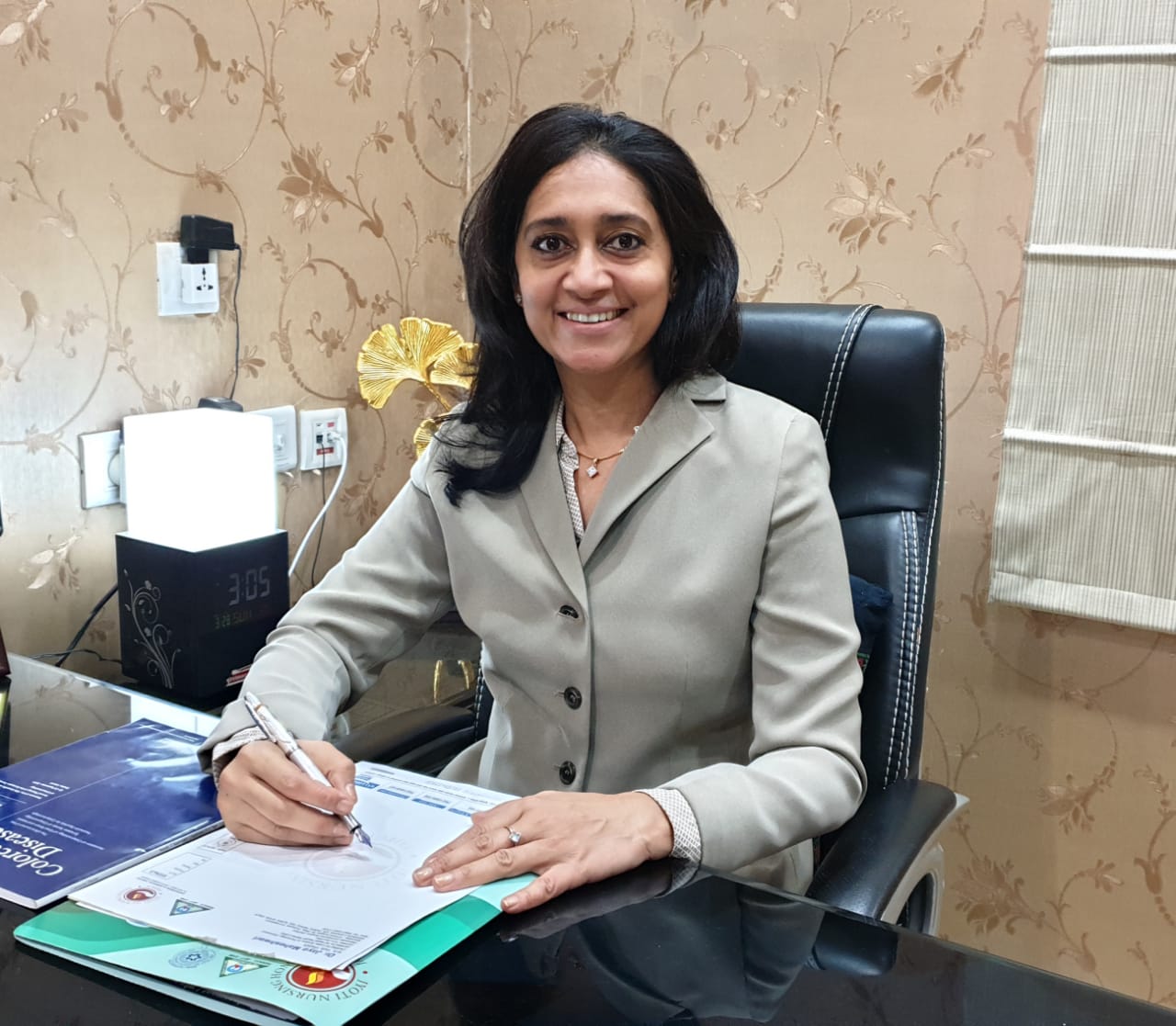
Dr. Jaya Maheshwari is a highly experienced, internationally trained laparoscopic and laser surgeon with over 20 years of clinical experience in diagnosing and treating a wide range of surgical conditions.
Read Full Doctor Profile
Treatment quality depends not only on the surgeon's expertise but also on the healthcare facility where care is provided.
At Jyoti Nursing Home, patients benefit from:
Every effort is made to provide a safe, comfortable, and supportive environment throughout the treatment journey.
If you are looking for expert evaluation and personalized piles treatment in Jaipur, schedule a consultation with Dr. Jaya Maheshwari to discuss your symptoms and treatment options.
Early diagnosis, timely treatment, and healthy lifestyle habits can help improve your comfort, support long-term colorectal health, and reduce the risk of future complications.
Treatment depends on the type, grade and severity of piles. Early hemorrhoids may improve with dietary and lifestyle changes, while persistent or advanced piles may require medication, minimally invasive procedures or surgery after evaluation.
Laser treatment generally causes less postoperative pain than conventional surgery because it involves minimal tissue damage.
Yes. Many early-stage piles can be managed with conservative treatment, including fiber, hydration, lifestyle changes and medicines. Advanced or persistent cases may require a procedure or surgery.
Persistent bleeding, severe pain, prolapse, recurrent symptoms or changes in bowel habits should be medically evaluated.
No. Rectal bleeding can have several causes, so persistent or unexplained bleeding should be evaluated by a medical professional.