11 Jun 2026
Benefits of Advanced Laser Treatment for Piles
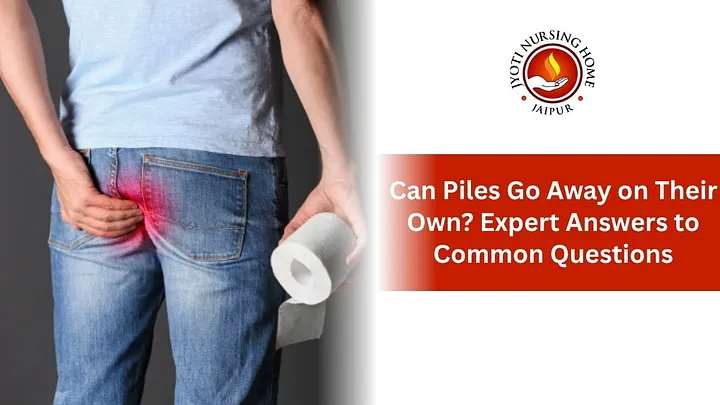
Piles, also known as hemorrhoids, are one of the most common digestive health conditions affecting people of all ages. Despite being common, many individuals hesitate to discuss the problem openly, often wondering, “Can piles go away on their own?” The answer depends on the type, severity, and underlying causes of the condition.
If you are experiencing rectal bleeding, itching around the anus, anal discomfort, painful bowel movements, or anal swelling, understanding the condition early can help prevent complications. In this comprehensive guide, experts from the best piles hospital in Jaipur explain whether piles can heal naturally, when medical attention is necessary, and the most effective treatment options available today.
Piles, or hemorrhoids, are swollen veins in the rectum and anus that become enlarged due to increased pressure in the lower rectal area. They can cause discomfort, bleeding, itching, and pain during bowel movements.
There are two primary types:
Internal hemorrhoids develop inside the rectum and are usually not visible. They may cause:
External hemorrhoids occur under the skin around the anus and may cause:
Understanding whether you have internal hemorrhoids or external hemorrhoids is important when deciding on the right piles treatment.
The short answer is: Yes, some mild piles can go away on their own, but not all cases.
In many cases, early-stage piles or mild hemorrhoids improve when the pressure causing the condition is reduced. Lifestyle modifications such as:
can help reduce symptoms and allow swollen tissues to heal.
However, while symptoms may disappear temporarily, the underlying tendency for hemorrhoids may still exist.
More advanced piles often do not resolve completely without professional intervention. If symptoms persist for weeks or worsen over time, specialized hemorrhoids treatment may be necessary.
Signs that piles may not go away on their own include:
In such situations, consulting the best piles doctor in Jaipur is recommended to avoid complications.
Several factors contribute to piles disease. Understanding these causes can help prevent recurrence.
One of the leading causes is chronic constipation, which forces individuals to strain excessively during bowel movements.
Sitting for long periods, especially on the toilet, increases pressure on rectal veins.
A diet lacking fruits, vegetables, and whole grains often leads to hard stools and bowel movement problems.
Pregnant women commonly develop hemorrhoids due to increased abdominal pressure and hormonal changes.
Excess body weight increases pressure on pelvic and rectal veins.
As people age, the tissues supporting the veins in the rectum can weaken, increasing the risk of hemorrhoid symptoms.
Many patients dismiss piles symptoms until they become severe. Early diagnosis can make treatment easier and more effective.
Common symptoms include:
If you notice persistent bleeding, it is essential to seek medical evaluation, as other conditions can produce similar symptoms.
The healing time varies depending on severity.
Small hemorrhoids may improve within a few days to a few weeks with proper dietary and lifestyle adjustments.
These may require medications and medical supervision to reduce symptoms effectively.
Advanced hemorrhoids often require specialized procedures and may not heal without treatment.
The key factor is identifying the stage of the condition early.
Many people search for natural piles treatment before considering medical procedures. While home care cannot always provide a complete piles cure, it can significantly reduce symptoms.
Fiber softens stool and reduces pressure during bowel movements.
Good sources include:
Drinking sufficient water helps prevent constipation and supports digestive health.
Physical activity improves bowel function and reduces the risk of constipation.
Excessive pushing during bowel movements worsens hemorrhoids and delays healing.
Warm water baths can soothe irritation, reduce inflammation, and provide temporary symptom relief.
These approaches are particularly beneficial for patients experiencing mild hemorrhoids or occasional hemorrhoid flare-ups.
Several home remedies for piles may offer temporary relief:
Cold packs can reduce swelling and discomfort.
Aloe vera may soothe irritation around the anus.
Some people use coconut oil to help reduce itching and dryness.
Known for its anti-inflammatory properties, witch hazel may help ease symptoms.
While these remedies can reduce discomfort, they should not replace professional medical care when symptoms persist.
Many patients delay treatment because they hope piles will disappear naturally. However, certain symptoms require immediate medical attention.
Consult the best piles doctor in Jaipur if you experience:
Early evaluation helps prevent complications and ensures accurate diagnosis.
Advancements in medical technology have made piles treatment faster, safer, and less painful than ever before.
Doctors may prescribe:
For moderate hemorrhoids, options include:
These procedures are often performed without hospitalization.
Laser treatment has become increasingly popular due to:
Many patients seeking treatment at the best piles hospital in Jaipur prefer laser procedures because of their effectiveness and convenience.
In severe hemorrhoids cases, surgery may be required to remove large or prolapsed hemorrhoids.
Yes, piles can recur if risk factors remain unaddressed.
To prevent recurrence:
Long-term lifestyle changes are essential for maintaining digestive health and reducing future hemorrhoid flare-ups.
So, can piles go away on their own? The answer is yes for some cases, especially early-stage piles and mild hemorrhoids. However, not all hemorrhoids resolve naturally. Persistent symptoms such as rectal bleeding, anal swelling, itching around the anus, painful bowel movements, and rectal pain should never be ignored.
Early diagnosis and timely treatment can prevent complications and improve quality of life. If symptoms continue despite home care, consulting the best piles doctor in Jaipur, who can help you access advanced treatment options and long-lasting relief.
Remember, the sooner you address piles disease, the easier it is to achieve effective management and prevent future recurrence.
Mild piles may resolve completely, but recurrence is possible if contributing factors are not addressed.
No. Other gastrointestinal conditions can also cause bleeding. A medical evaluation is important for accurate diagnosis.
Yes. Many patients successfully manage piles without surgery through lifestyle modifications, medications, and minimally invasive procedures.
Generally, yes. External hemorrhoids tend to cause more pain because they develop in an area with many sensitive nerve endings.
Combining hydration, fiber intake, warm sitz baths, and medical guidance often provides the quickest relief.
11 Jun 2026
Benefits of Advanced Laser Treatment for Piles
12 Jun 2026
Why Laparoscopic Surgery Is Preferred Today
12 Jun 2026
Early Signs and Treatment Options for Hernia

13 Aug 2026
Early Signs of Fistula You Should Never Ignore